


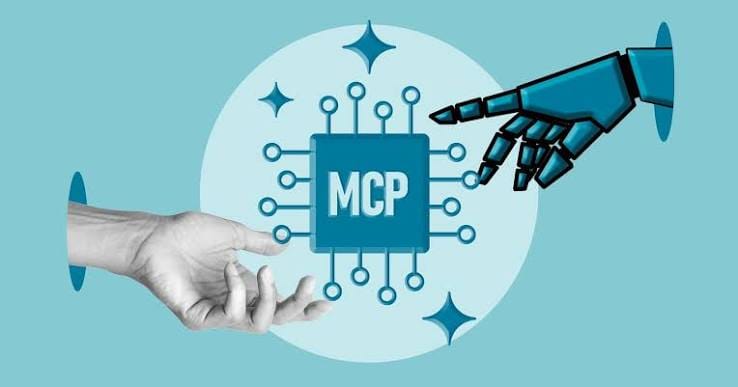
Deploying Shopify WebMCP tools is officially the most powerful strategy for integrating browser agents into modern e-commerce.
On September 28, 2026, Shopify completely revolutionized agentic commerce by expanding its WebMCP framework directly into the checkout phase. Browser agents can now actively read and dramatically update the live checkout open in a shopper’s tab. Once the human buyer explicitly confirms the details, the agent can autonomously submit the final order.
Just as digital retailers must constantly monitor their storefront automation Amazon blocks AI shopping agents secrets, developers must aggressively adapt to new API standards.
If you are building AI shopping assistants, here are 5 amazing secrets to successfully leveraging the newest Shopify WebMCP tools.
1. How Shopify WebMCP Tools Transform Checkout
When Shopify initially launched its storefront capabilities in August, agents could merely search for products and helplessly guide shoppers to the final cart.
The brand-new Shopify WebMCP tools completely eliminate that technical bottleneck. These advanced tools natively use the exact same state as the visual checkout page the human shopper physically sees. According to Shopify’s official developer changelog, they elegantly avoid exposing a new API or requiring tedious merchant configuration.
To securely authenticate, browser agents should properly sign their requests using Web Bot Auth. Without this cryptographic signature, bot detection systems will aggressively deprioritize or permanently block the agent requests.
2. What Browser Agents Can Do at Checkout
Eligible storefronts now automatically register four specific Shopify WebMCP tools, according to the latest Checkout WebMCP documentation.
First, get_checkout reads the active checkout and pulls the final order details immediately after purchase. Second, update_checkout flawlessly changes contact details, shipping preferences, discount codes, and extra declared fields like tax numbers. Third, complete_checkout officially places the final order. Finally, navigate_to_storefront safely returns the active tab to the main store.
The live checkout engine runs its own strict validation on every single update. Furthermore, agents physically cannot change the actual cart items during the secure checkout phase.
3. Where the Human Buyer Takes Over
While these advanced capabilities are incredibly powerful, Shopify enforces strict human handoff protocols for payment security.
Shopify explicitly tells agents to prominently display the current order total to the buyer and get their explicit permission before calling the completion tool. A ready-to-complete digital status or a valid Shop Pay approval does absolutely not qualify as legal consumer consent.
Furthermore, the tools inherently do not accept new credit card details. The buyer must physically manage any 3D Secure payment challenges, UI blocking extensions, and final review steps directly on the checkout page.
4. Which Checkouts Get Shopify WebMCP Tools?
Not every digital storefront currently supports these advanced browser capabilities.
Shopify’s standard three-page checkout gets absolutely no WebMCP features unless the buyer specifically checks out utilizing Shop Pay. B2B checkouts, embedded checkouts, and mobile checkout SDKs are currently excluded from this technical rollout.
Additionally, draft orders, post-purchase order edits, and split-merchandise carts currently lack support. For now, agents can explicitly use this framework exclusively inside Chromium-based web browsers.
5. Server MCP vs. Shopify WebMCP Tools
Shopify proudly documents two distinct technical routes for autonomous agents at checkout.
The company generally recommends Checkout MCP, where an agent safely manages a checkout session from its own backend server. You should exclusively use Shopify WebMCP tools only when your AI agent is already operating directly inside the buyer’s live web browser tab.
Both technical options heavily rely on the Universal Commerce Protocol and share the exact same underlying checkout object. Regardless of whether you use server-side OpenAI endpoints or live browser tools, the merchant always securely remains the merchant of record.
Frequently Asked Questions
What are Shopify WebMCP tools?
Shopify WebMCP tools are structured browser commands that allow AI agents to securely read, update, and submit live Shopify checkouts directly inside a shopper’s active web browser tab.
Can these tools steal credit card data?
No. The technical framework is architecturally restricted from accepting new credit card details. Buyers must manually complete 3D Secure challenges and directly handle complex payment verifications on the live checkout page.
Which web browsers support this framework?
Currently, Shopify explicitly states that these browser-based checkout tools are exclusively supported within Chromium-based web browsers, such as Google Chrome and Microsoft Edge.

