


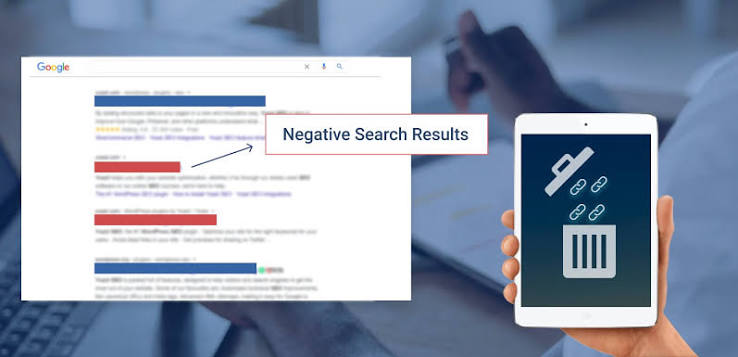
Understanding how to remove negative search results is rapidly becoming a massive strategic challenge for modern executives and digital marketers today.
When damaging content appears on page one of Google, the financial and reputational fallout can be immediate. A scathing customer review, an outdated court record, or an inflammatory Reddit thread may all show up in search queries, but each scenario requires a completely distinct remediation protocol.
Just as ecommerce retailers must optimize for shopify ai agents to maintain commercial visibility, brand leaders must actively remove negative search results to protect corporate authority.
A comprehensive 2026 benchmark study analyzed 22,620 removal links across 1,650 individual websites to determine which negative assets can be permanently eliminated, de-indexed, or suppressed. Here is your actionable, data-backed guide to cleaning up your digital footprint.
1. What 22,620 Links Reveal About Search Removals
The real-world data shows that attempting to remove negative search results yields radically different success rates depending entirely on the publishing host. Not all digital media can be treated with a one-size-fits-all legal or technical strategy.
In this benchmark analysis, successful outcomes included completely taking down a target page, de-indexing it from organic search indexes, or formally redacting the individual’s personal name or photograph. De-indexing ensures Google stops serving the URL in search results, even if the underlying server keeps the file online.
The distribution of submitted links revealed exactly where brand vulnerability is concentrated:
- Google Business Profile reviews: 52%
- Unfavorable images and video assets: 13%
- Third-party review portals (Yelp, Trustpilot): 11%
- Digital news publications: 6%
- Social media commentary: 6%
- Republished court records: 4%
- Mugshot aggregators: 2%
- Public forums (predominantly Reddit): 2%
- People-search databases: 1%
2. The Easiest Negative Links to Eliminate
If you need to quickly remove negative search results, eligible Google reviews and republished court filings represent your most viable targets.
Google enforces strict prohibited and restricted content policies. When a submission violates guidelines regarding fake reviews, identity impersonation, direct harassment, off-topic rants, or unauthorized personal data, Google’s policy team regularly takes the entry down.
Similarly, court record syndicators frequently honor requests to remove negative search results. Because these aggregators scrape public records, their business models often provide explicit opt-out pathways for privacy protection.
3. The Hardest Content to Take Down
Conversely, learning how to remove negative search results from Yelp, Trustpilot, news publications, and Reddit presents a significant uphill battle.
Editorial news outlets—which accounted for 708 unique domains in the study—rarely unpublish verified reporting unless material facts have changed or serious legal issues exist. Furthermore, Yelp and Glassdoor have built their brand identities around resisting takedown requests from business owners.
Reddit threads also rarely disappear unless a post clearly violates sitewide rules against doxxing or targeted harassment. When you cannot successfully remove negative search results through direct webmaster contact, your strategy must pivot toward search engine suppression.
4. Timelines: How Long Content Removals Take
Timing expectations are critical when executing a campaign to remove negative search results. The median turnaround for all successful removals was 18 business days, with 71% concluded within 30 days and 91% resolved within 90 days.
Turnaround periods differ noticeably by asset category:
- Republished court records: Median 9 days (89% resolved within 30 days)
- People-search directories: Median 9 days (84% resolved within 30 days)
- Mugshot aggregator pages: Median 11 days (93% resolved within 30 days)
- Social media platform posts: Median 14 days (79% resolved within 30 days)
- Google business reviews: Median 19 days (67% resolved within 30 days)
- Digital news articles: Median 28 days (51% resolved within 30 days)
Complete server deletions moved faster than de-indexing processes, averaging 14 days versus 21 days. Furthermore, 10% of Google review disputes took longer than 90 days, demonstrating that persistent appeals are essential to remove negative search results.
5. Step-by-Step Framework for Reputation Repair
To systematically clean up your search presence and efficiently remove negative search results, execute this structured operational framework:
- Audit and Cluster by Host: Group every harmful link by its root domain. Do not treat a forum post the same way you treat an unverified consumer review.
- Target High-Velocity Assets First: Submit formal takedown requests to court record aggregators and people-search brokers first to secure immediate wins.
- Challenge Google Reviews via Official Tools: Utilize Google’s Reviews Management Tool. If the initial review is rejected, submit a formal appeal citing the exact policy violated. Note that under the FTC’s Consumer Reviews and Testimonials Rule, companies are barred from using intimidation or deceptive claims to force removals.
- Negotiate with News Publishers: Rather than demanding complete article deletion, ask editors for partial remediation—such as anonymizing your name, removing photography, or adding a noindex meta tag to the header.
6. How to Handle Unremovable Forum Threads
When you cannot directly remove negative search results from Reddit or high-authority blogs, suppression via search engine optimization is the absolute best alternative.
Google’s algorithms treat Reddit and user-generated forums as high-authority signals for firsthand experience. To outrank these entrenched threads, you must construct authoritative digital real estate that Google prefers to index:
- Launch highly optimized executive profiles on LinkedIn, Medium, and Substack.
- Secure press coverage and contributor features on established industry publications.
- Publish optimized video content on YouTube, utilizing structured schema markup.
By systematically building high-authority web pages around your target keywords, you effectively push those stubborn pages off the first page of search results. This is often the only way to remove negative search results from immediate public view when webmasters refuse to cooperate.
7. Vetting Professional Removal Agencies
If your corporate communications team elects to hire an external reputation management vendor to actively remove negative search results, thoroughly vet their methodology beforehand.
Always ask these four non-negotiable questions:
- Which specific platforms do you have documented success with? A reputable vendor will cite court databases and Google reviews, while acknowledging that Yelp and major newspapers are difficult.
- Will the outcome be full deletion, de-indexing, or suppression? Each delivers a distinct business outcome.
- What specific platform guideline does the content violate? Legitimate firms rely on terms-of-service violations and legal compliance, not black-hat tactics.
- What are your verified turnaround timelines? Expect 2 to 4 weeks for directories, and multiple months for complex editorial assets.
Understanding these mechanics ensures that your executive team makes pragmatic, data-driven decisions when working to remove negative search results and protect your brand identity.
For foundational guidelines regarding privacy and data protection rights, consult the official documentation surrounding the Right to be forgotten, and review Google’s official removal policies on Google Search Central.
Frequently Asked Questions
Can you completely remove negative search results from Google?
Yes. You can remove negative search results by identifying policy violations on the hosting platform, requesting direct webmaster deletion, petitioning Google for de-indexing under privacy policies, or opting out of data directories.
How long does it take to clean up search results?
Based on empirical data across 22,620 links, successful campaigns to remove negative search results take a median of 18 days. Court records typically resolve in 9 days, while complex reviews can take 30 to 90 days.
What should I do if a negative review cannot be removed?
If you cannot remove negative search results, publish a measured, factual public response to reassure prospective customers, and execute an SEO suppression campaign to push the negative page off the first page of rankings.

