


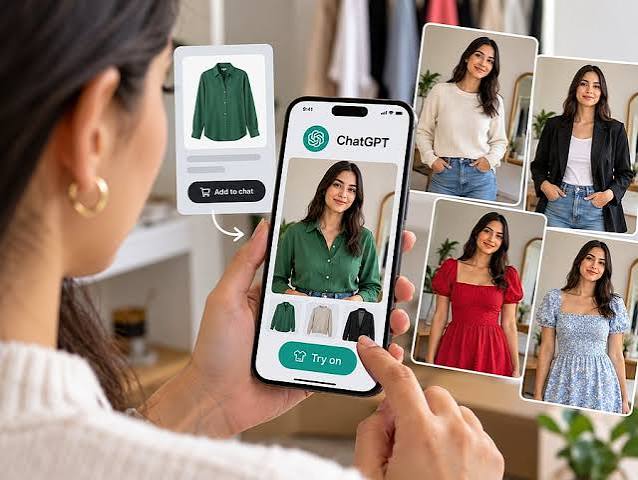
Mastering the new ChatGPT virtual try-on feature is officially the best proven way for digital marketers and e-commerce brands to prepare for the future of generative AI shopping.
OpenAI is rapidly making its flagship platform significantly more useful for retail and fashion shopping. The company is officially rolling out a highly anticipated visual feature that lets shoppers see themselves wearing specific clothing and accessories before they ever click the buy button. Just as advertisers must adapt their media buying strategies Google Ads AI campaign localization, e-commerce brands must now adapt their product feeds for generative visual search.
If you are an online retailer or an AI enthusiast, here are the 5 best critical updates regarding the ChatGPT virtual try-on rollout and how it changes the digital shopping landscape forever.
1. How the Virtual Try-On Feature Works {#how-it-works}
The core mechanics behind the ChatGPT virtual try-on update are incredibly intuitive and designed to keep users entirely within the OpenAI ecosystem rather than bouncing them to a merchant site.
A new “Try on” button is now appearing directly on eligible clothing and accessory product listings surfaced inside the chat interface. When a shopper clicks this prompt, they are invited to take a live selfie or upload an existing full-body photo of themselves. From there, the backend ChatGPT Images engine will automatically generate a highly realistic image showing exactly how that specific product could look on the user’s body type.
Remarkably, users are not strictly limited to the products surfaced organically by the AI. Shoppers can upload an image or a screenshot of an apparel item they found elsewhere on the internet and explicitly ask the system to run it through the ChatGPT virtual try-on tool. To understand the underlying technology powering these digital mirrors, review foundational documentation on the virtual dressing room.
2. Expanding Beyond Search: The Favorites Library {#favorites-library}
Alongside the visual updates, OpenAI has quietly rolled out a massive infrastructure update for saving and cataloging retail products.
ChatGPT now allows active shoppers to save specific products to a dedicated “Favorites” tab and systematically organize them into custom folders within their ChatGPT Library. Previously, users had to scroll endlessly through their long text chat histories to find a product recommendation from a previous week. Now, users have a centralized, visual hub to return to products they are actively considering purchasing later.
Both the try-on tool and the Favorites folders are available simultaneously on the mobile app and the desktop web interface, providing a seamless cross-device shopping experience.
3. The Shift to an AI-Powered Shopping Companion {#shopping-companion}
The combination of seamless product discovery, visual try-ons, and saved Favorites represents a fundamental pivot in OpenAI’s product strategy.
These updates make ChatGPT look significantly less like a traditional text-based search assistant and much more like a dedicated, AI-powered shopping companion. A modern shopper can now describe the exact aesthetic look they want, discover relevant retail products, visualize themselves wearing those clothes, and save their favorites to a curated folder—all without ever starting their journey on a traditional search engine or an independent retailer’s homepage.
As prominent technology publications like TechCrunch have noted, this aggressive move pushes ChatGPT further into the highly lucrative territory traditionally occupied by visual shopping and discovery platforms such as Google Shopping and Pinterest.
4. The Critical Caveat: Visualization vs. Fit {#caveat-fit}
While the ChatGPT virtual try-on feature is an incredible leap forward for digital commerce, it comes with a critical disclaimer for consumers.
This technology is fundamentally a visualization tool, not a physical fitting room. OpenAI explicitly warns users that the generated images may not represent the shopper or the physical product with 100% accuracy. The AI model prioritizes aesthetic blending, lighting, and general style; it absolutely does not guarantee exact garment sizing, fabric drape, or physical fit.
Because generative AI is prone to minor hallucinations, shoppers must still act responsibly. Buyers should always check the merchant’s official sizing measurements, read detailed product information, and carefully review the retailer’s return policies before completing a transaction.
5. Why Marketers Must Prepare for Generative Commerce {#marketers-prepare}
For e-commerce directors and SEO professionals, this rollout signals a massive shift in how product data must be structured for the web.
AI shopping experiences are rapidly becoming vastly more visual, interactive, and deeply personalized. High-quality product images, comprehensive schema markup, and robust commerce data will increasingly influence not only whether a specific product gets discovered in an AI search query, but whether shoppers can meaningfully interact with it.
If your e-commerce platform relies on low-resolution imagery or blocks AI crawlers from accessing product variations, you will be completely excluded from this new generative shopping ecosystem. Retailers must optimize their digital storefronts today to ensure their products are compatible with the ChatGPT virtual try-on ecosystem tomorrow.
Frequently Asked Questions
What is the ChatGPT virtual try-on feature?
The ChatGPT virtual try-on feature is a new AI shopping tool that allows users to upload a selfie and generate a realistic image of themselves wearing specific clothing or accessories they discover within the chat interface.
Can I try on clothes I found outside of ChatGPT?
Yes. Users are not limited to products surfaced by the AI. You can upload a screenshot or image of a clothing item you found on an external website and ask the ChatGPT virtual try-on tool to visualize it on your body.
Does the AI guarantee that the clothes will fit?
No. OpenAI explicitly states that the ChatGPT virtual try-on feature is purely an aesthetic visualization tool. It does not guarantee physical size or perfect fabric fit, so shoppers should always check the retailer’s official measurements before buying.

