


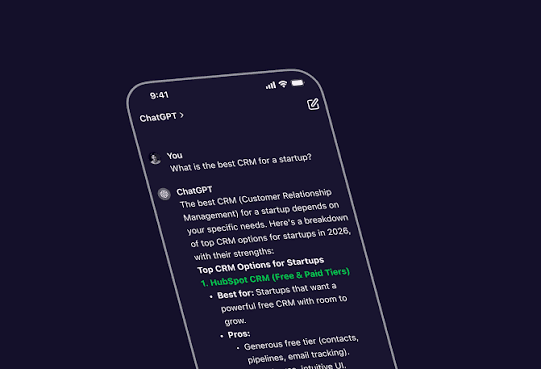
Mastering ChatGPT shortlists is officially an essential strategy for modern software brands and digital marketing teams aiming to dominate artificial intelligence discovery.
Artificial intelligence search is quietly transforming into our personal procurement department. Recent industry surveys show that 97% of B2B professionals use AI to discover new vendors, 92% rely on it to shape their vendor shortlists, and 83% confirm it heavily influences their final purchasing decisions.
Just as PPC specialists must meticulously optimize their holiday inventory Google Ads Q4 holiday strategies, content strategists must learn how generative engines curate their recommendations.
If your brand is currently invisible in conversational results, here are 5 essential strategies to break into ChatGPT shortlists.
1. Understanding How ChatGPT Shortlists Work
A ChatGPT shortlists feature is a curated selection of brands chosen from a massive pool of possible enterprise competitors.
In recent deep-dive research analyzing workforce management software across 100 conversational responses, these generated lists featured an average of just 5.6 brands. That is an extraordinarily narrow selection for a crowded category where industry directories contain hundreds of competing options.
Each generated table typically displays the recommended software name, a descriptive “Best For” use-case breakdown, and inline citations linking directly to supporting documentation. To understand foundational generative algorithm mechanics, review comprehensive documentation on artificial intelligence search.
2. Finding the Questions That Create Shortlists
Because AI search prompts are significantly longer and more conversational than legacy keyword queries, buyers describe their core needs in diverse ways.
When analyzing ChatGPT shortlists, you should test five core prompt variations across a topic:
- Best Overall: Asking for the absolute top category leader.
- Comparison: Requesting a side-by-side platform evaluation.
- Alternatives: Seeking direct alternatives to current market leaders.
- Task-Specific: Inquiring about software best suited for a specific workflow.
- Capabilities: Exploring who is actively innovating in the category.
Running these prompts multiple times reveals the probabilistic nature of generative search. Because AI results vary by design, testing multiple runs establishes a reliable visibility baseline.
3. Analyzing Competitor Position Scores
Evaluating ChatGPT shortlists requires building a comprehensive visibility scorecard across multiple test runs.
The brands consistently winning these coveted slots do not always possess the highest domain authority scores or raw organic search traffic. For instance, mid-tier platforms frequently earn more shortlist appearances than enterprise giants by aligning their content tightly with specific user intent.
You must closely examine which specific product pages, case studies, or third-party review portals are cited most frequently within the generated comparison tables.
4. Decoding the “Best For” Positioning
Securing a spot on ChatGPT shortlists is only half the battle; the contextual description assigned to your brand matters equally.
When the model assigns a “Best For” label, it synthesizes data from brand websites, competitor claims, and independent third-party reviews. If the AI consistently miscategorizes your core audience or misrepresents your primary use case, it will severely damage your inbound lead generation.
Monitoring this positioning allows product marketing teams to update their website messaging and clear up semantic ambiguities that confuse the algorithm. You can explore advanced enterprise visibility platforms directly at Semrush.
5. Identifying Openings in Query Fan-Out
Behind the scenes, ChatGPT translates a single user prompt into multiple background web searches through a process known as query fan-out.
When examining how ChatGPT shortlists are generated, data shows that the engine often pre-loads specific brand names into its initial search queries before evaluating results. However, smaller challengers still capture a measurable percentage of shortlist seats by leveraging niche thought-leadership content, structured data markup, and high-authority third-party citations.
By identifying which competitor gaps exist in the fan-out queries, growing brands can deliberately optimize their content to capture those vacant shortlist seats. You can review broader digital analytics frameworks on Search Engine Journal.
Frequently Asked Questions
What are ChatGPT shortlists?
ChatGPT shortlists are curated tables of recommended software vendors and service providers generated by conversational AI engines in response to complex user purchasing queries.
Why do AI product recommendations change between runs?
Generative search is probabilistic rather than deterministic. Running the exact same prompt multiple times yields varying brand recommendations based on real-time web retrieval and query fan-out variations.
How can my brand appear in AI shortlists?
To secure a spot on ChatGPT shortlists, you must audit your inline citations, optimize your product pages for specific task-based queries, and align your digital positioning with how generative models categorize your industry use case.

