


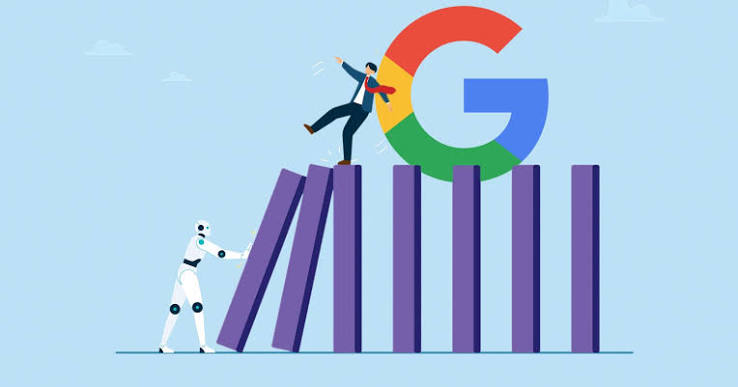
The transition toward a google discover concierge is rapidly becoming one of the most discussed shifts in search engine optimization history.
Google may soon transform its popular mobile feed into a proactive, hyper-personalized concierge experience designed to help users actively make progress on their daily goals. This ambitious future direction was recently brought to light through a high-level job posting on the company’s careers portal.
Just as search professionals must audit historical outdated seo recommendations to protect their technical backlogs, publishers must monitor these massive interface shifts.
If your digital publication relies heavily on mobile traffic referrals, here is a complete guide to understanding this upcoming artificial intelligence overhaul.
1. Unpacking the New UX Job Posting
Google recently posted an opening for a Principal UX Lead for Search Discover that outlines several telling job responsibilities. These listed requirements offer a fascinating glimpse into the future strategic direction of the mobile feed.
Instead of simply recommending articles based on past reading history, the platform aims to move users seamlessly from inspiration to action. Developing a google discover concierge requires balancing advanced artificial intelligence capabilities while explicitly centering human voices.
The role involves scaling AI-enabled formats while preserving the integrity of original journalistic sources.
2. Transforming Content Feeds into Digital Assistants
Right now, the platform functions primarily as a content feed populated with stories Google thinks you might find interesting. Occasionally, it will surface commercial products or videos you might want to watch or purchase.
However, transforming that passive scrolling experience into a personal assistant represents a massive structural change for the ecosystem. Implementing a google discover concierge means the interface will anticipate user intent rather than just reacting to past clicks.
This aligns closely with Google CEO Sundar Pichai’s vision of agentic search, where systems complete multi-step tasks across multiple platforms.
3. Evolving Feed Formats and Engagement
The job responsibilities explicitly mention evolving feed formats by scaling AI-enabled features and designing new engagement mechanisms. This includes elevating human perspectives and original reporting directly within the personalized stream.
A successful google discover concierge must combine machine learning efficiency with trusted human-authored content to maintain user trust. Furthermore, the role requires working closely with cross-organization partners like YouTube, Chrome, and Android.
Unifying these major product lines creates a consistent, ecosystem-wide experience for billions of active users.
4. Why This Matters for Digital Publishers
For news publications and niche blogs, mobile feeds have historically served as one of the primary external traffic drivers. If Google successfully shifts the feed from a simple content recommendation engine to an interactive AI assistant, referral patterns will change.
Publishers must consider how a google discover concierge will handle attribution, click-through rates, and brand citations. Will users read original articles, or will the AI summarize the core insights directly inside the chat interface?
Monitoring these early platform experiments is essential for forecasting long-term organic traffic stability.
5. Targeting Younger Demographics
Another intriguing detail buried within the job description is the requirement for product strategy experience targeting youth demographics. Younger internet users increasingly rely on conversational interfaces and social platforms for discovery rather than traditional search engines.
Designing a google discover concierge that appeals to these digital natives requires rethinking traditional content presentation. Integrating short-form video, interactive elements, and rapid synthesis will be critical for capturing their attention.
Publishers may need to adapt their content formats to match these evolving consumption habits.
6. The Broader AI Integration Strategy
This structural shift does not happen in a vacuum. Alongside the design leadership role, Google has also opened machine learning positions focused on generating and recommending AI content for proactive surfaces.
Building a robust google discover concierge relies heavily on these automated content quality frameworks and agentic workflows. As these systems scale, the boundary between traditional organic search results and personalized feed recommendations continues to blur.
SEO professionals must expand their optimization strategies beyond standard blue links to account for feed-based algorithms.
7. How Publishers Should Prepare Now
While this massive overhaul is still in the developmental design phase, publishers should take proactive steps to protect their digital assets. First, export your historical performance reports to establish a clear baseline before any major layout changes occur.
Focus your editorial strategy on creating authoritative, human-centric content that answers complex user questions rather than repeating basic facts. A future google discover concierge will likely prioritize sources that demonstrate genuine expertise and unique perspective.
Keep your multi-channel presence strong across YouTube, web properties, and app integrations to maximize your brand’s overall footprint.
For foundational technical guidelines regarding mobile user experience, consult the official documentation surrounding mobile optimization, and review modern research on Google Search Central.
Frequently Asked Questions
What is the google discover concierge?
The google discover concierge refers to Google’s upcoming artificial intelligence overhaul of its mobile feed, transforming it from a passive content recommendation engine into an active digital assistant.
How will this change affect publisher traffic?
If the platform transitions into an interactive assistant that answers questions directly, news publications and blogs may experience a decline in traditional outbound click-through traffic.
When will these changes roll out?
Google has not announced a specific release date or market rollout timeline; the initiative was revealed through executive UX design and machine learning job postings.

