


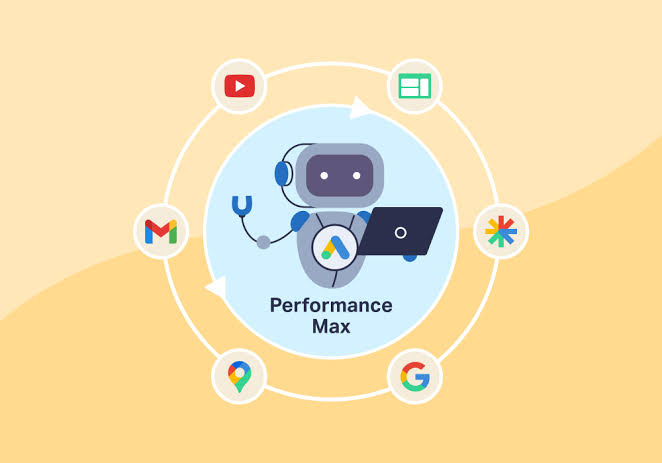
The ability to measure true advertising causality is officially expanding. By deploying Conversion Lift for Search and Performance Max, direct-response media buyers can definitively prove whether their ad budgets are genuinely creating new revenue or simply stealing credit for inevitable organic transactions.
Google Ads is actively expanding its user-based causality protocol to cover query-based text ads and fully automated omnichannel campaigns. Giving eligible advertisers self-serve access to this highly guarded measurement tool represents a massive industry shift. Previously, initiating these specific incrementality studies required direct intervention from a Google representative. Just as executives must carefully evaluate their AI marketing decisions to protect brand integrity, media buyers must utilize this new testing protocol to protect their financial capital.
If you are tired of relying on flawed algorithmic attribution, here are the seven best proven tips for mastering Conversion Lift for Search and Performance Max.
Table of Contents
- What the New Incrementality Rollout Means
- Breaking Down the Eligibility Requirements
- How Control Groups Measure True Causality
- Selecting the Right Acquisition Actions
- Why Direct-Response Media Buyers Care
- Navigating Algorithmic Attribution Blind Spots
- How to Launch Your Own Causality Study
- Frequently Asked Questions
1. What the New Incrementality Rollout Means
Query-based keyword campaigns and fully automated cross-network algorithms now officially join visual banners, YouTube, Demand Gen, and App networks as supported frameworks for user-based causality testing.
This specific platform expansion completely democratizes enterprise-level measurement. By offering self-serve access to Conversion Lift for Search and Performance Max, Google allows everyday marketers to bypass manual account rep bottlenecks. Instead of blindly trusting a dashboard that claims 100 sales, you can scientifically isolate exactly how many of those transactions were directly caused by the advertising exposure itself.
2. Breaking Down the Eligibility Requirements
Activating Conversion Lift for Search and Performance Max natively within your dashboard requires meeting strict operational and financial thresholds.
Self-serve access is not granted to dormant or low-volume accounts. Advertisers must securely track at least 1,000 observed base transactions, strictly excluding any offline supplementary data uploads. Furthermore, participating initiatives must command a minimum budget allocation of $5,000 to qualify for the study. Your overarching Google Ads infrastructure must also record at least one primary acquisition action natively compatible with the testing protocol.
3. How Control Groups Measure True Causality
To truly leverage Conversion Lift for Search and Performance Max, media analysts must understand the underlying mathematics of holdout methodologies.
When you initiate a causality study, the internal protocol creates a strict holdout group (the control). This specific cohort is deliberately blocked from seeing your active creatives. The platform then compares their baseline purchasing behavior against the exposed group who actually viewed the ads. This stark mathematical difference isolates the true incremental transactions generated by your budget. Google notes that holding back larger audience segments improves statistical accuracy, but it comes with the obvious opportunity cost of withholding your creatives from potential buyers. To understand how statistical testing isolates variables in digital ecosystems, review standard documentation on A/B testing.
4. Selecting the Right Acquisition Actions
When configuring Conversion Lift for Search and Performance Max, selecting the correct downstream metric is critical for generating mathematically useful data.
Studies can evaluate a wide variety of downstream actions, including direct ecommerce purchases, qualified B2B leads, and deep website activity tracking. However, Google strongly recommends selecting transaction events that occur frequently. If you optimize your causality study around a highly rare VIP purchase event, the system will never generate enough volume to achieve statistical significance. For the most actionable insights, align the study with your highest-volume macro-transaction.
5. Why Direct-Response Media Buyers Care
Why is the digital marketing community so intensely focused on this specific rollout? Because Conversion Lift for Search and Performance Max finally solves the industry’s most notorious attribution flaw.
For direct-response media buyers spending massive capital on branded keywords or automated cross-network algorithms, it is incredibly easy for the platform to claim credit for a sale that would have naturally occurred anyway. A loyal customer typing your exact brand name into Google was likely going to buy regardless of clicking the top sponsored link. This advanced incrementality testing actively distinguishes the transactions the campaign genuinely engineered from the organic sales it merely intercepted.
6. Navigating Algorithmic Attribution Blind Spots
While the rollout is revolutionary, digital marketers must recognize that Conversion Lift for Search and Performance Max is still not universally available to every single advertiser.
Google’s official documentation explicitly notes that account availability can vary significantly based on geographic region, regulatory restrictions, and overall billing history. Additionally, experimental alpha and beta initiative types may still require direct manual assistance from a dedicated account representative. Despite these minor limitations, the overarching industry trend is incredibly clear: the platform is giving direct-response buyers powerful tools to measure definitive causality rather than relying on easily manipulated click models.
7. How to Launch Your Own Causality Study
Opening Conversion Lift for Search and Performance Max to eligible marketers provides the ultimate weapon for auditing paid media efficiency.
This level of transparency is especially critical for automated omnichannel setups, where creatives span multiple Google properties simultaneously. Traditional channel-by-channel tracking completely struggles to show true incremental value across such a fragmented journey. By deploying this newly available self-serve protocol, you can definitively answer paid advertising’s most vital question: Did my allocated budget actually generate new revenue, or did the algorithm just steal the glory? For detailed setup instructions regarding account requirements, consult the official advertising documentation portal.
Frequently Asked Questions
What is Conversion Lift for Search and Performance Max?
Conversion Lift for Search and Performance Max is a newly expanded, self-serve incrementality testing feature in Google Ads that uses control groups to measure whether your query-based text ads and automated cross-network campaigns actually caused a sale.
What are the minimum requirements to run this test?
To qualify for Conversion Lift for Search and Performance Max, your account needs at least 1,000 observed base transactions (excluding offline uploads) and the participating initiatives must utilize a minimum budget of $5,000.
Why is causality better than standard attribution?
Standard attribution simply tracks the final click before a purchase. Utilizing Conversion Lift for Search and Performance Max compares exposed buyers against a blinded control group, mathematically proving if the ad actually influenced the final buyer decision.

